HPV-Mediated Cancers
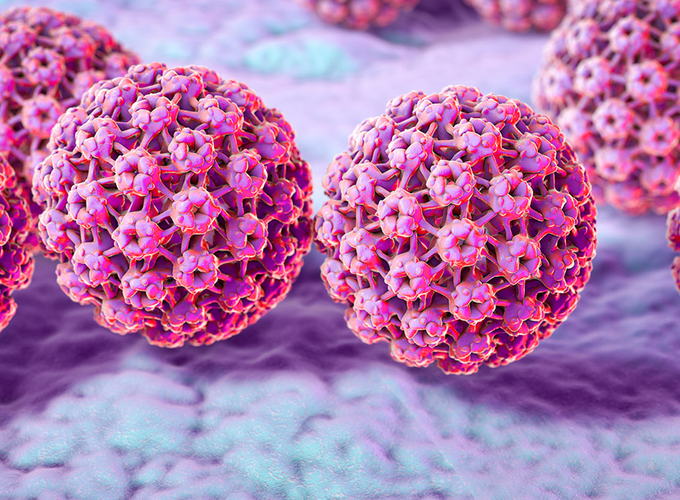
Around 10% of global cancers are virus-associated. Human papillomavirus (HPV) is responsible for nearly all cervical cancers and a significant portion of head-and-neck cancers (HNC). In Nepal, cervical cancer is among the most common cancers in women, while HNC affects both sexes. HPV-negative HNC often presents at later stages and responds poorly to treatment, highlighting the need for better diagnostic and prognostic tools.
Our goal is to apply machine learning to multi-omics datasets from cervical cancer and HNC patients to identify genomic markers distinguishing HPV-positive from HPV-negative cancers, enhancing early detection, prognosis, and personalized treatment strategies.
The project has identified distinct genomic markers for HPV-positive and HPV-negative cancers, laying the foundation for targeted diagnostics and improved clinical decision-making, particularly addressing high-risk HPV-negative HNC cases.