Research Groups
NAAMII's autonomous research groups drive cutting-edge innovation across diverse domains of AI and its applications
SNAYU
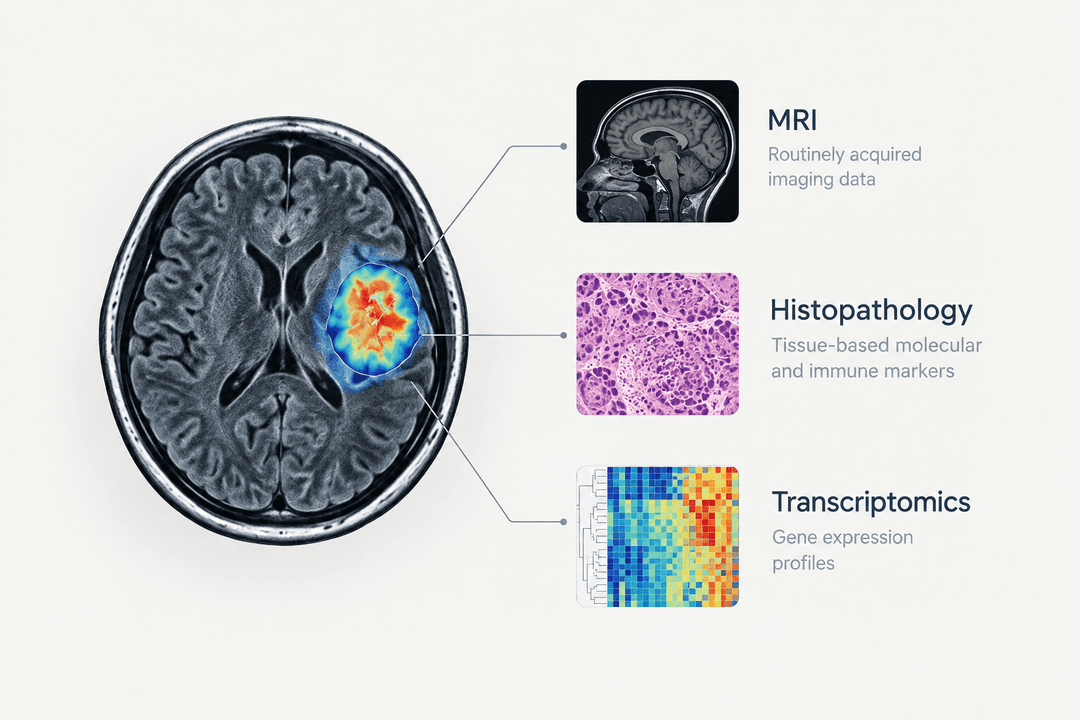
The Snayu Radiogenomics Translational Research Lab develops artificial intelligence that infers tumour biology from medical images. Molecular and immune characterisation of brain tumours now determines how patients are treated and what their prognosis is. That characterisation depends on tissue assays — sequencing, methylation profiling, immunohistochemistry — which are expensive, slow, and largely unavailable across South Asia. The consequence is that patients in low-resource settings receive care guided by a coarser picture of their disease than the same patients would receive elsewhere. The lab treats this gap as a modelling problem. We build and validate models that recover molecular, immune and prognostic information from imaging that hospitals already acquire, integrate imaging with histopathology and transcriptomics where those are available, and quantify what a single tissue sample can and cannot represent about a heterogeneous tumour. Equal weight goes to generalisation: models trained on North American and European cohorts have no established validity on South Asian patients, scanners or protocols, and establishing where they fail is part of the science rather than a caveat appended to it. The lab also trains clinicians and researchers in Nepal to do this work locally. The work begins at brain tumours and will expand to other cancers.
CARI
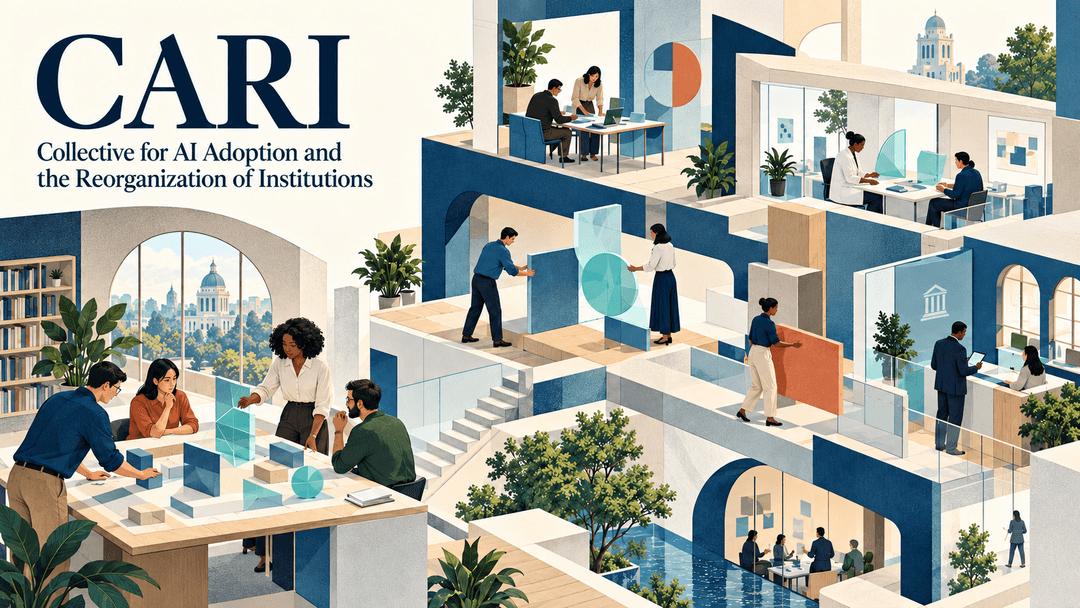
CARI, the Collective for AI Adoption and the Reorganization of Institutions, studies how organizations can redesign work as people and AI agents take on shared responsibilities. It connects human and AI capabilities with process design, organizational structure, and governance to improve performance while maintaining accountability. Beginning with banking and health, CARI develops evidence and practical approaches to help institutions navigate AI adoption and the transition to new ways of working.
TOGAI
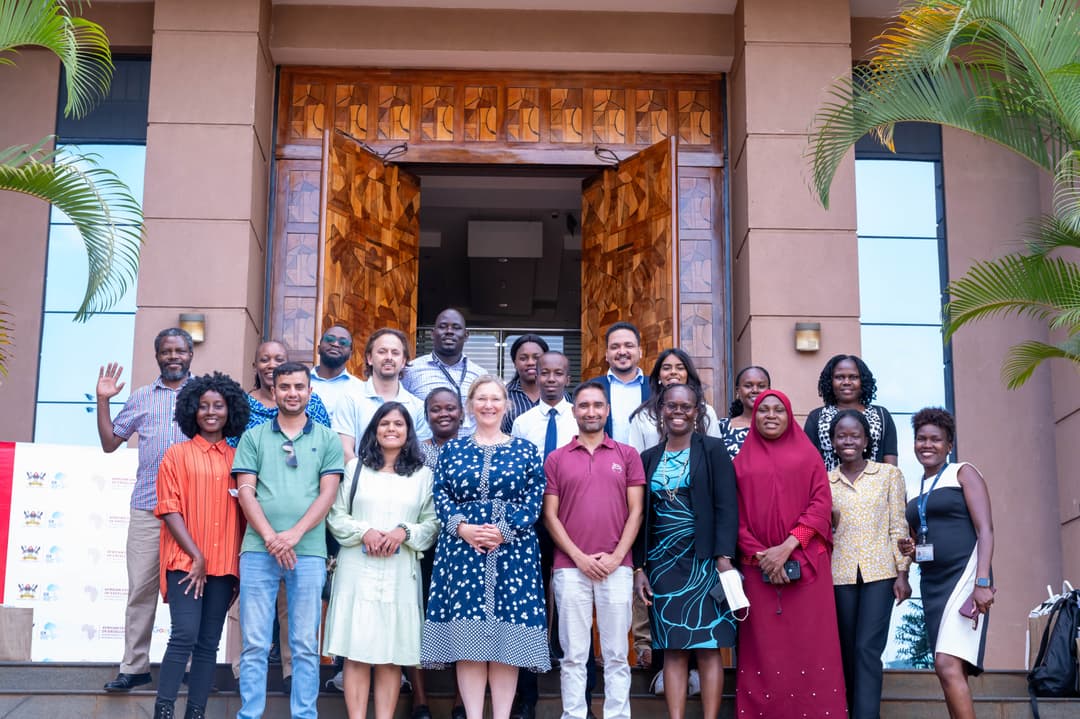
TOGAI builds intelligent health technologies for low-resource settings. In a world where over 4.5 billion people lack access to essential healthcare, TOGAI tackles critical gaps in diagnostics, specialist access, and information equity to harness the transformative potential of AI to improve people’s lives. Through AI-powered task-shifting systems, low-cost diagnostic tools, and accessible health information, TOGAI transforms healthcare delivery in the Global South, making quality care more affordable and widely available.
MAPMED
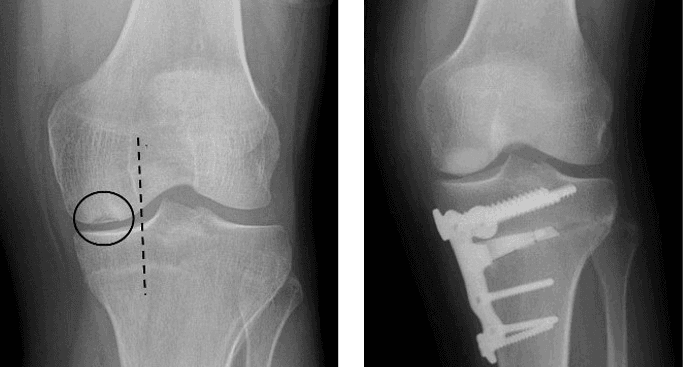
OverviewMAPMED focuses on multimodal medical data analysis for decision support systems in radiomics and precision medicine. We specialize in analyzing multimodal medical imaging data, including PET, CT, MRI, and microscopic tissue (histopathology) images, and develop deep learning models for tasks such as segmentation, detection, prognostication, prediction, and classification. Technical FocusRadiomicsRobust Segmentation, Prognostication, and Classification3D Medical Image Preprocessing & AugmentationOur research spans a wide array of clinical applications, including but not limited to the assessment of lung cancer treatment and surgical navigation planning for lower limb interventions
CGL
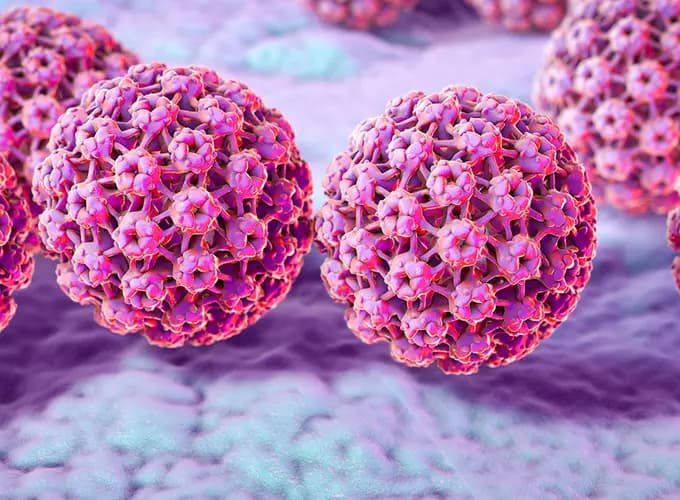
CGL applies bioinformatics and machine learning to tackle pressing challenges in disease biology. Our research focuses on understanding the genomics of communicable and non-communicable diseases, with a particular emphasis on treatment resistance and disease progression. By developing efficient computational methods, we aim to transform global health, with a focus on diseases prevalent in low- and middle-income countries like Nepal.
BDCAS
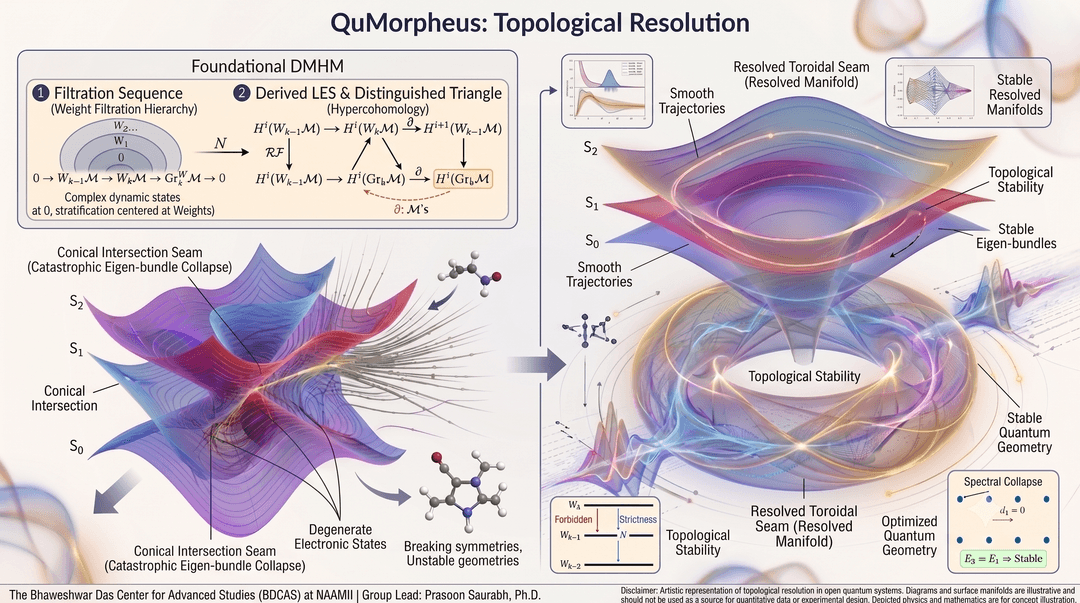
The Bhaweshwar Das Center for Advanced Studies (BDCAS) is NAAMII's theoretical physics research center dedicated to advancing the mathematical foundations of quantum science and next-generation quantum technologies. Through its two research areas, Algebraic Quantum Dynamics & Topological Informatics (AQDTI) and Quantum Native Machine Learning (QNML) the center develops rigorous mathematical frameworks for open quantum systems, quantum computing, non-Hermitian physics, and quantum-native AI algorithms, bridging fundamental theory with future quantum technologies. BDCAS pioneers the mathematical resolution of geometric singularities ranging from non-Hermitian exceptional points in open hardware to molecular conical intersections. By mapping continuous, noise-vulnerable quantum evolutions into exact topological counting problems, the center develops predictive frameworks like Dissipative Mixed Hodge Modules (DMHM) and Singular Natural Gradient Descent. These methodologies establish rigorous proofs for topological protection in gapless systems, advancing both fundamental quantum optics and the absolute optimization of macroscopic entanglement in quantum algorithms.
AI & Society
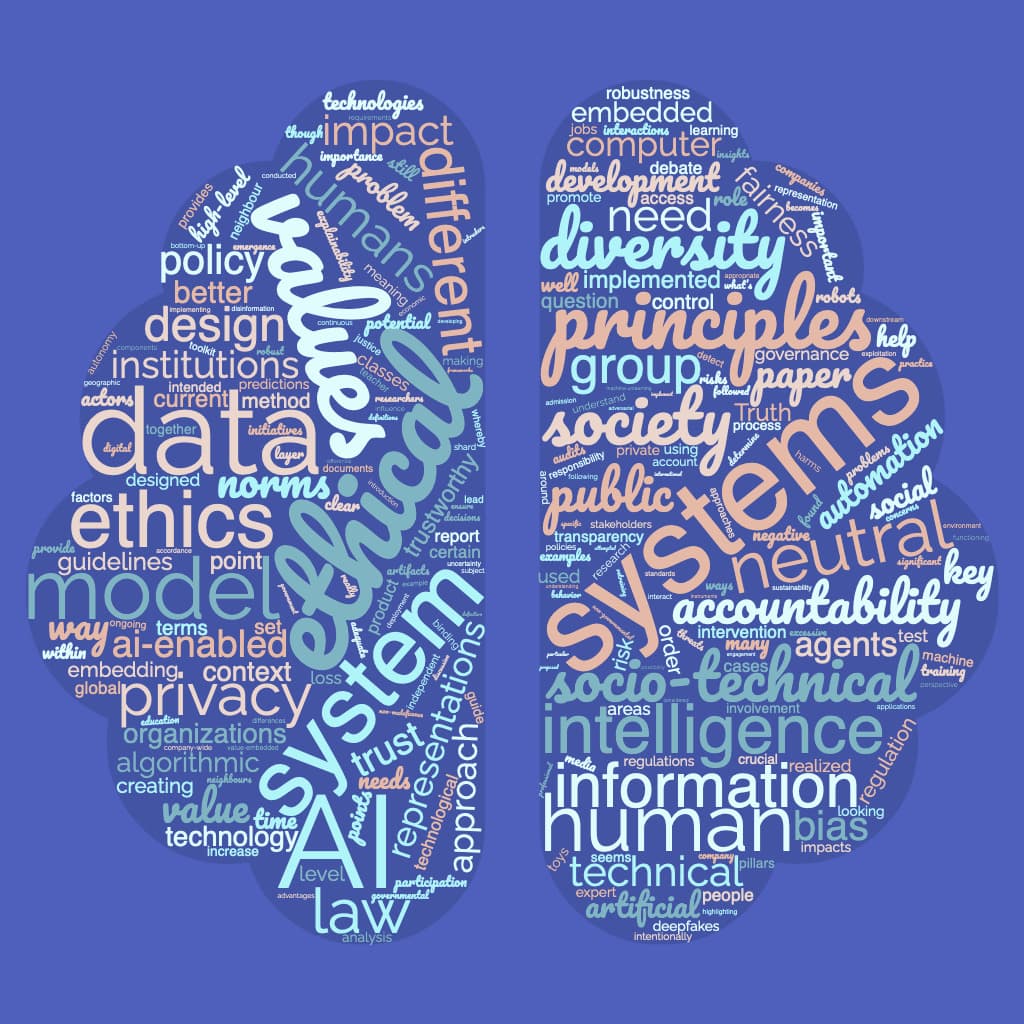
The AI and Society research group sits at the intersection of technological innovation and public interest, working to ensure that artificial intelligence benefits people equitably. Grounded in the reality that AI systems inherit the biases and inequalities of the world they learn from, the group combines policy analysis, empirical research, and community engagement to close the gap between how AI is built and how it actually affects lives and take a more human-centered approach towards AI. We currently focus on three key areas:Governance Gap Analysis in Nepal: We examine how national AI policies are understood and adopted across government, industry, and civil society, and assess alignment with international frameworks such as UNESCO and OECD principlesFairness and Equity in AI Adoption: We investigate how AI in sectors like education, health, and policy shapes disparities across urban and rural and socio-economic communitiesHuman-Centered AI in Public Services: We pilot approaches that prioritize transparency, trust, and user agency in everyday governance contexts to promote human-centered collaboration across government, private sector, academia, and civil society.
PUSHVIC
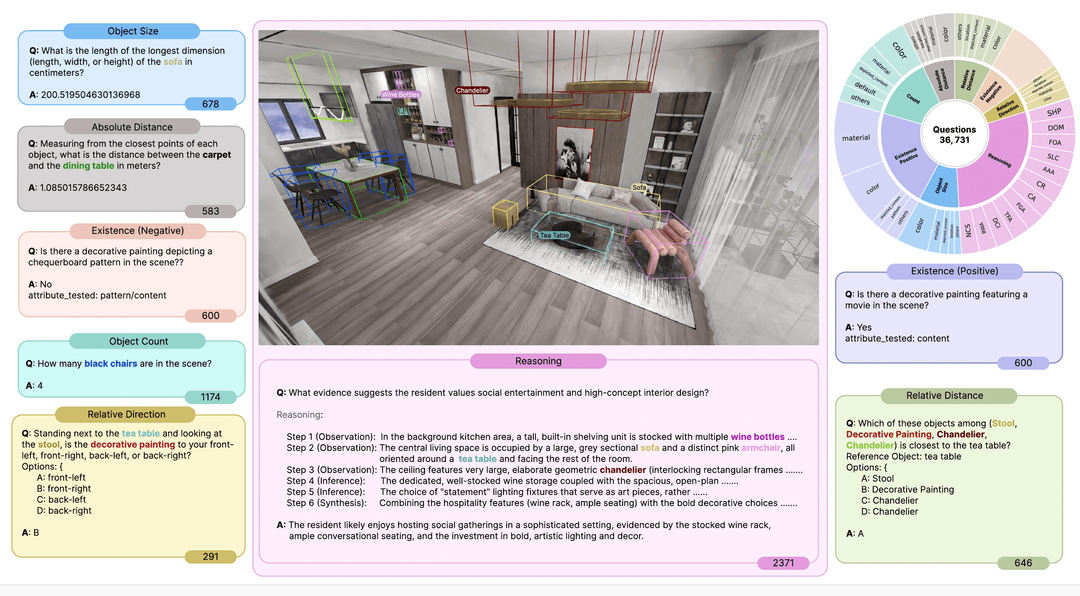
The Providential Use of Spatial and Human Visual Computing (PUSHVIC) Lab is at the forefront of research in Mixed Reality (MR), Robotics, and Computer Vision. We explore spatial computing and human visual perception to bridge the fundamental research to real-world deployment. Our work advances MR, robotics, and vision-based systems to enhance human interaction, perception, and decision-making. Through interdisciplinary research and industry collaboration, we develop technologies that expand the frontiers of visual and spatial computing.
RAIN
The RAIN Lab explores the intersection of artificial intelligence and neuroscience, with a focus on understanding neurological conditions and disorders. The lab uses computational and data-driven approaches like deep learning and neuroimaging techniques to study the neurological and neurodevelopmental conditions that can support research, diagnosis, monitoring, and treatment planning. Through interdisciplinary research, the lab contributes to advancing knowledge and innovation in brain health.
MMLL
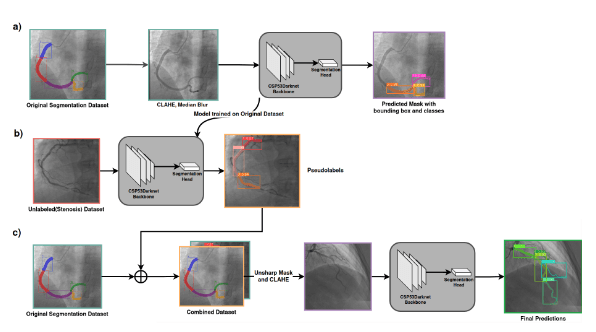
The B Bhattarai MultiModal Learning Lab is at the forefront of developing robust and interpretable machine learning algorithms. Our mission is to pioneer algorithms that can reason across complex, heterogeneous data to address some of the most critical challenges in healthcare, energy, and global agriculture. We are dedicated to building a global research pipeline that fosters talent and innovation guided by the philosophy: to build AI that is not only powerful but also trustworthy and explainable.
Agri AI
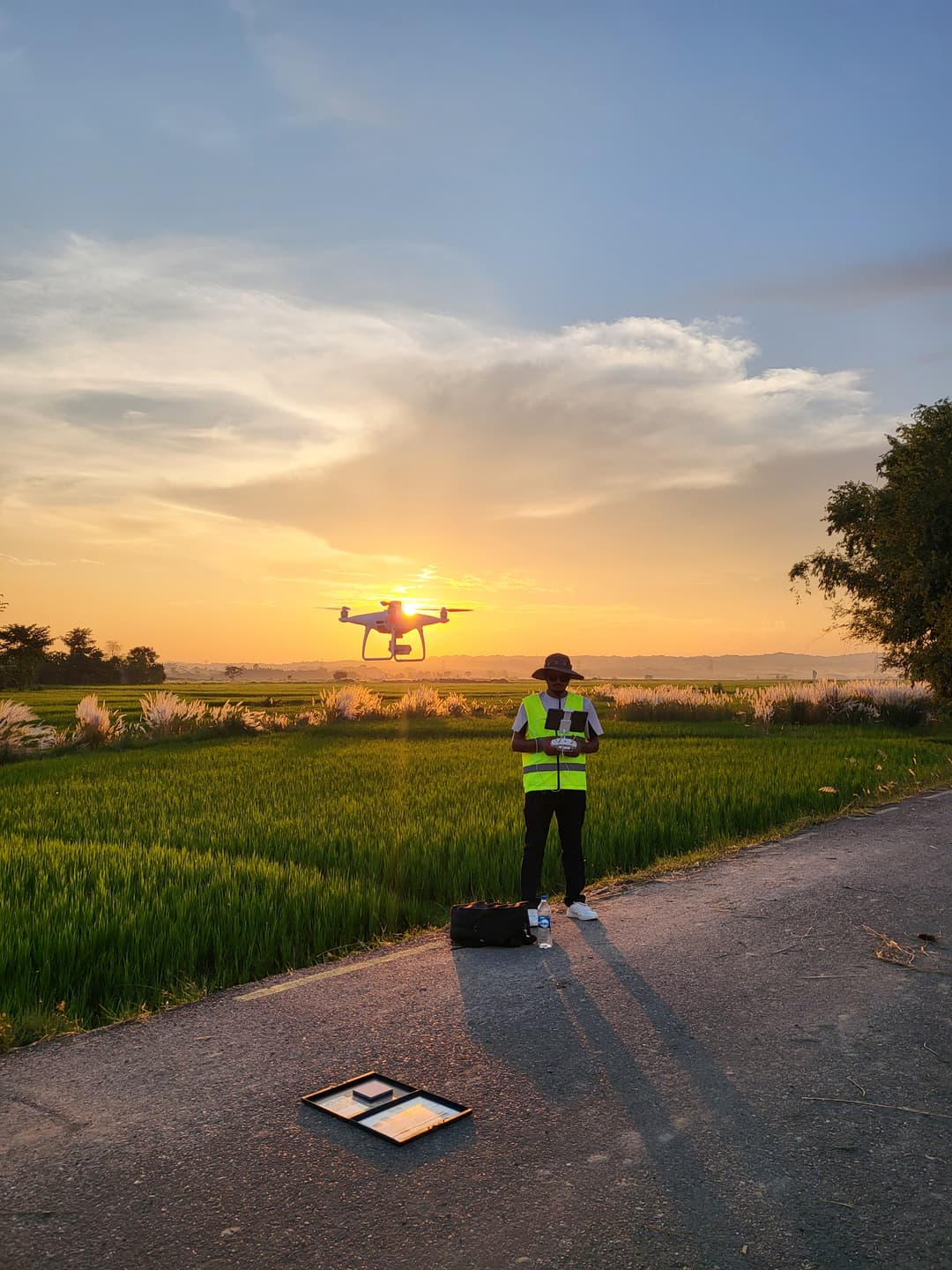
A² Lab integrates cutting-edge technology with traditional farming wisdom to develop resilient, sustainable agricultural systems. Our mission centers on three foundational pillars:Climate-Smart Agriculture: Leveraging AI, IoT, and satellite technologies to optimize resource management, predict climate risks, and enhance crop resilience.Regenerative Agriculture: Using AI-driven analytics to promote soil health, biodiversity, and long-term farm sustainability.Permaculture & Traditional Knowledge Integration: Preserving ancestral farming practices while enriching AI models with culturally appropriate insights.Our approach creates practical, scalable technologies that empower farmers, researchers, and communities to protect crops, enhance productivity, and maintain ecological balance.
TRAI
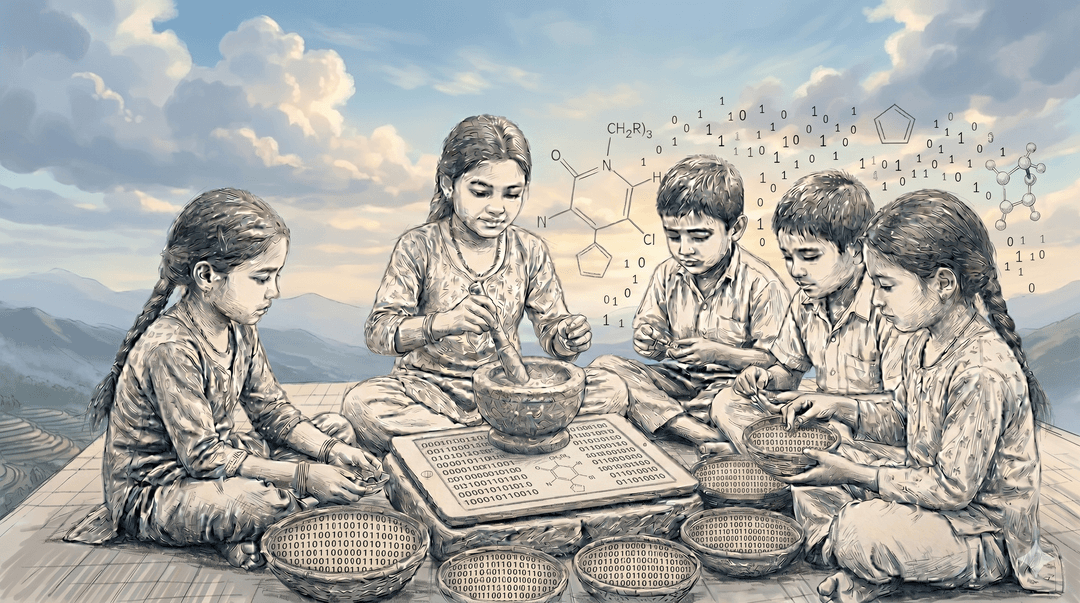
Our work translates the advances in artificial intelligence and digital health technology into innovative health services, with a special focus on meeting the health needs of resource-limited settings. We view the implementation of AI tools into health services as a sequential two step process:Translational Research: Transforming theoretical and scientific breakthroughs in AI and related disciplines into applied solutions and usable tools that can support, augment, audit, strengthen or extend health services.Implementation Science: Deploying, integrating, and rigorously evaluating AI-driven tools and technologies within clinical and public health settings to ensure safety, effectiveness, efficacy, and scalability.With our work, we aim to create and evaluate health services, ancillary tools and technologies that can be deployed readily in clinical and public health settings to meet health services needs in resource-limited settings across the world.